


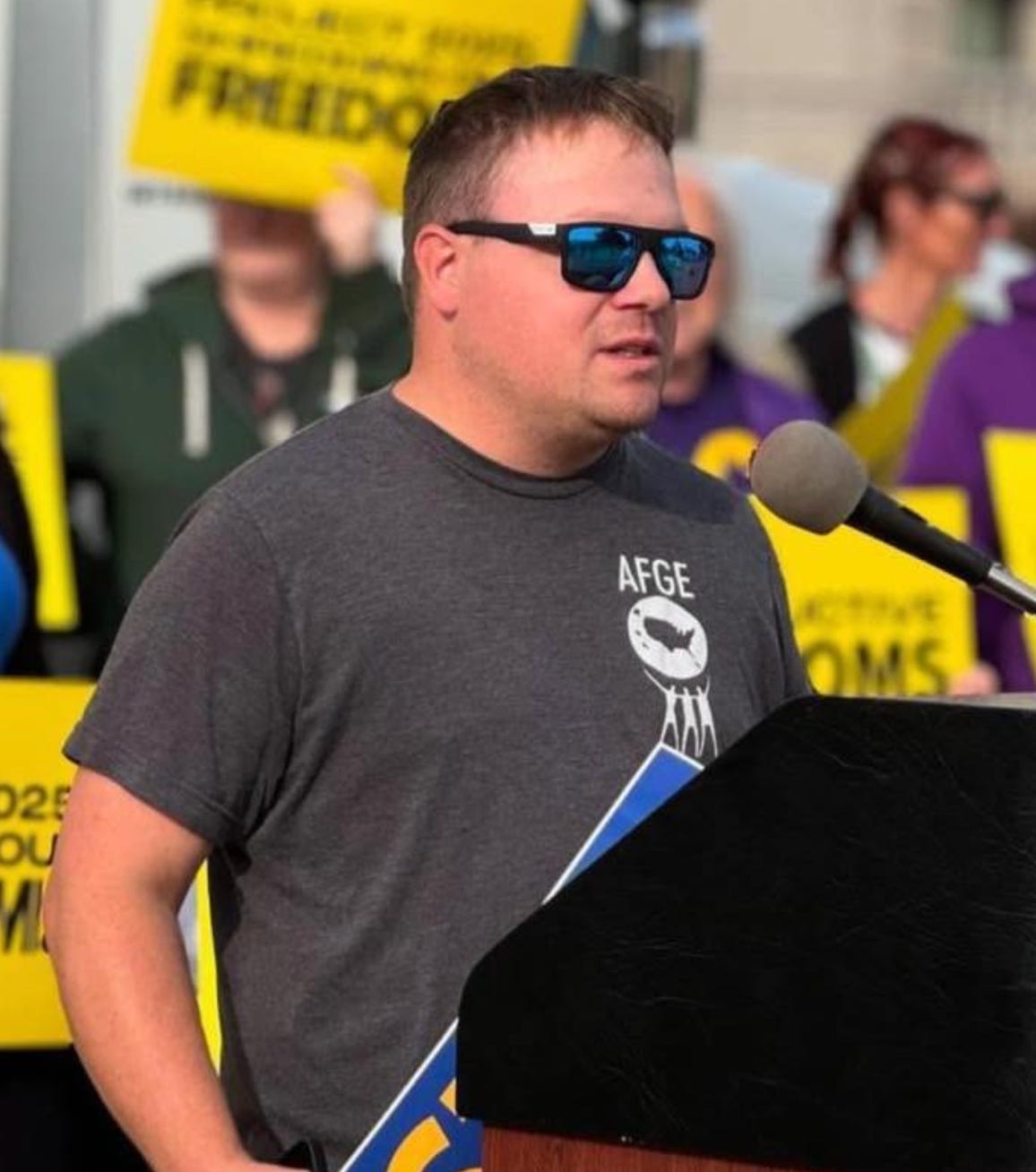
Below, is a guest editorial from Justin Perpich. Perpich was the Chair of Minnesota’s 8th Congressional District from 2016-2018. He is a seasoned labor and political strategist - but its his Iron Range roots and understanding of the Range that make his perspective especially valuable as Democrats set out to win back the Range.
On April 27, President Trump signed H.J. Res. 140 into law, overturning Public Land Order 7917 and ending a 20-year withdrawal of more than 225,000 acres of federal land in northeastern Minnesota from mineral leasing and development. The debate over copper-nickel mining near the Boundary Waters is once again front and center in Minnesota politics.
Look, I understand why this issue is controversial.
The Boundary Waters is one of Minnesota’s greatest treasures. Tourism tied to our natural resources is a growing part of the economy. People come here to canoe, fish, mountain bike, hike, see Lake Superior, watch the ships come into Duluth, enjoy the fall colors, and spend money in our communities. Those jobs matter.
But if Democrats want to win back northern Minnesota, they need to understand something that many voters on the Iron Range have been saying for years.
For a lot of people, this debate isn’t about old mining versus new mining. It isn’t about taconite versus copper-nickel mining. To them, it’s simply mining.
And when people hear politicians talking about stopping mining, many hear someone talking about stopping the industry that put food on their family’s table for generations. That’s the reality whether Democrats like it or not.
Mining built much of northern Minnesota. Entire communities were founded around it. Thousands of union members still earn middle-class wages because of it. Even people who don’t work directly in mining often depend on mining jobs through suppliers, local businesses, restaurants, and other spin-off employment.
There is also a deep sense of solidarity on the Iron Range. People understand that when one job is under attack, every job is under attack. The same thing applies to mining. An attack on one mining job is often viewed as an attack on all mining jobs.
That doesn’t mean voters don’t care about the environment. They do.
Now, to be clear, this isn’t just about being pro-mining or anti-mining. It isn’t about saying one side of the debate is right and the other side is wrong. Reasonable people can disagree about copper-nickel mining near the Boundary Waters and still want what is best for Minnesota.
This is about understanding how voters see the issue.
For many people on the Iron Range, mining isn’t just another political debate. It’s their livelihood. It’s their mortgage payment. It’s how they put food on the table. When people believe their jobs are under attack, they are going to vote accordingly.
At the same time, there are countless other issues impacting not just northern Minnesota, but communities across the entire state. Families are worried about the cost of living. They’re worried about housing costs. They’re worried about the rising cost of health insurance. They’re worried about whether their public schools have enough funding. They’re worried about whether good-paying jobs will still be there five or ten years from now.
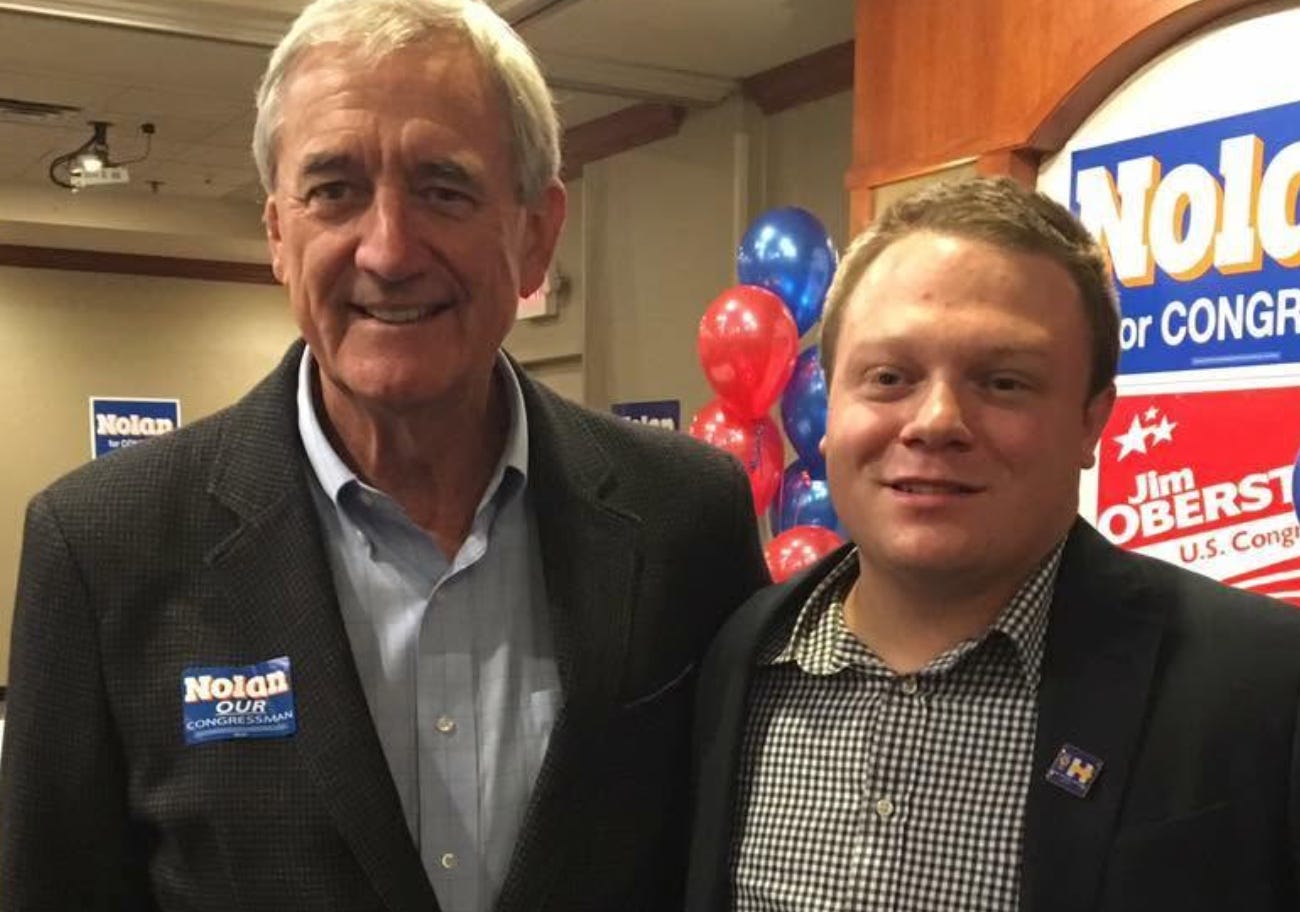
Mining will always be an issue that divides people. But focusing on the issues that are front and center in people’s daily lives is how the DFL starts winning back northern Minnesota and rural communities across the entire state.
People don’t need politicians to agree with them on every issue. They just want to know they’re being heard. But candidates who want to win in northern Minnesota need to meet people where they are instead of talking down to them. Workers don’t want to hear that they should simply be retrained. They don’t want to hear that they should move somewhere else. They don’t want to uproot their families and leave communities where their parents, grandparents, and children have lived. Especially right now.
Many workers are already worried about layoffs and economic uncertainty. Some mining operations have idled production. Others have reduced staffing. Families are watching costs rise while wondering whether they’ll be next.
If Democrats want to reconnect with the Obama-Trump voters they have lost across northern Minnesota, the answer isn’t complicated.
Talk about the economy. Talk about stagnant wages.Talk about rising health care costs. Talk about protecting Social Security and Medicare. Talk about protecting union jobs and creating new ones. Talk about gas prices and the cost of living. When gas is pushing $4 a gallon, that’s not an abstract policy debate to someone commuting to work every day. It’s money coming directly out of their pocket.
Talk about schools struggling with enrollment and funding challenges. Talk about communities that are debating four-day school weeks because they can’t make the numbers work. Talk about keeping rural hospitals open and making sure young families can afford to stay in the communities they grew up in.
Most importantly, show people that you understand their concerns before trying to convince them that they’re wrong. The Iron Range didn’t suddenly become conservative. Working-class voters didn’t wake up one morning and decide they hated Democrats. Many simply stopped believing Democrats were listening. The path back isn’t through lectures. It isn’t through telling people their concerns aren’t valid.
It’s through showing up, listening, and fighting for working families the way Democrats once did.
Northern Minnesota voters haven’t changed nearly as much as Democrats think. They still want good jobs. They still want strong unions. They still want safe communities with strong public schools. They still want economic opportunities for their kids. There is a path back for Democrats in northern Minnesota, but it starts with listening. The DFL doesn’t need to abandon its values to win back the Iron Range.
Listen and meet people where they are at and focus on the real issues impacting working families and the Iron Range can be won back.