


BNB Note:
While politics is often analyzed from the outside, BNB’s Guest Editorial Series aims to flip that perspective by highlighting the firsthand experiences of those working inside the political and policy arena. This includes lawmakers crafting and ushering legislation, candidates navigating the campaign trail, career civil servants implementing public programs, and political operatives shaping strategy behind the scenes.
The goal is not to litigate every claim or endorse every position, but to provide readers with direct insight into how decisions are made, how institutions function, and how power operates in practice.
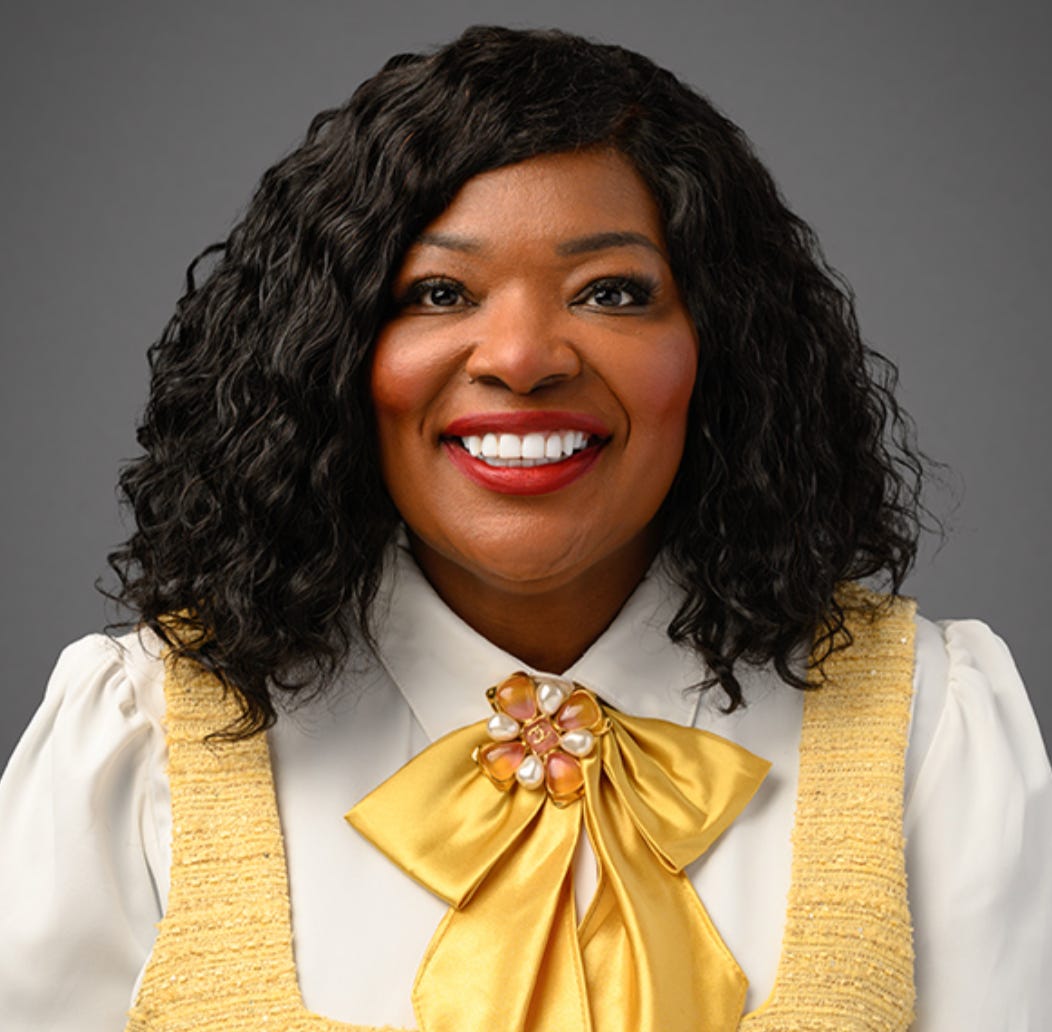
Below, is a guest editorial from Minneapolis Councilmember LaTrisha Vetaw (Ward 4).
As Operation Metro Surge comes to an end and thousands of ICE agents leave Minneapolis, it may be tempting to believe our city can finally exhale. The headlines will fade. The flashing lights and unmarked vehicles will disappear. For many residents who were not directly affected, life may appear to return to normal.
But for thousands of immigrant families and small business owners across Minneapolis, nothing about the coming months will feel normal. In fact, the hardest stretch is just beginning.
For weeks and months, fear quietly dictated daily life in neighborhoods across our city. Parents kept children home from school. Workers skipped shifts, not because they didn’t need the income, but because the risk felt too high. Families stopped going to grocery stores, parks, churches, restaurants, and medical appointments. Some avoided even leaving their homes to take the garbage out.
The economic ripple effects were immediate and severe. Once-busy commercial corridors grew quiet. Restaurants were empty. Construction sites slowed. So many workers simply disappeared from public life, not by choice but by necessity. In immigrant-heavy neighborhoods, the silence was palpable.
Now, as the operation winds down, we are left with the aftermath: shuttered storefronts, drained savings accounts, overdue rent notices, and deep emotional scars that do not disappear with a press release. Just because the agents are leaving does not mean the fear is.
Trust does not rebound overnight. Many families are still afraid to step outside. Some lost jobs and have nothing to return to. Others showed up to work only to find their workplace permanently closed. Several families handed over life savings to immigration attorneys in desperate attempts to protect loved ones, only to be left with little clarity and even fewer guarantees. Those financial decisions, made under intense pressure and fear, will shape household stability for years.
This is not a moment of resolution. It is a moment of reckoning.
The damage is not only financial. It is psychological. Children absorbed the anxiety of their parents. Parents carried the unbearable weight of contingency plans. Fear seeped into dinner table conversations and bedtime routines. That kind of stress does not vanish when the vehicles leave town.
We must be honest about this: Minneapolis will need a sustained, culturally responsive trauma response. That means expanding access to mental health services that are linguistically accessible, rooted in community trust, and delivered by providers who understand the lived experiences of immigrant and refugee families. Healing cannot happen if services feel unfamiliar, inaccessible, or unsafe. We need trauma-informed care in spaces where families already feel connected like schools, community clinics, faith spaces, and neighborhood organizations. Emotional recovery must be treated as essential, not an afterthought.
Minneapolis’ local economy has taken a significant hit. Immigrant-owned businesses have been especially hard hit. These businesses are not just storefronts. They are jobs, gathering spaces for neighbors, cultural bridges that make our city vibrant and distinct. They are grocery stores that stock ingredients you cannot find anywhere else. They are barbershops where community news travels faster than social media. They are restaurants where birthdays are celebrated, and memories are made.
When these businesses struggle, the entire city feels it. When they close, we lose far more than a place to shop. We lose jobs, relationships, and pieces of cultural identity that cannot easily be replaced. Recovery will not happen in a few weeks. It may take years.
Perhaps even more troubling is the erosion of trust. For many immigrant families, faith in government institutions has been shaken. When fear becomes woven into everyday routines, rebuilding confidence is not as simple as announcing the end of an enforcement operation. Trust is rebuilt slowly, through consistent action, demonstrated safety, and visible solidarity.
This is where Minneapolis must decide who we want to be.
Federal action has created an economic, emotional, and institutional gap. It would be unrealistic and unfair to expect immigrant families to close that gap alone. Private businesses, philanthropic organizations, faith communities, and individual residents must step forward in meaningful ways.
We need flexible, unrestricted financial assistance for families who have fallen behind on rent, utilities, childcare, and food. For many, traditional aid systems feel unsafe. Support must prioritize privacy, dignity, and accessibility. Families should not have to choose between receiving help and protecting themselves.
We also need community-wide economic action.
If you are able, intentionally support immigrant-owned and struggling small businesses. Dine out locally. Shop locally. Hire locally. Purchase gift cards. Leave positive reviews. Recommend businesses to friends and colleagues. Organize group outings. Every dollar spent locally is an investment in recovery.
But economic support alone is not enough.
We need public life again. Festivals. Farmers markets. Concerts in the park. Block parties. Cultural celebrations. People have been isolated inside their homes for too long. Mental health struggles have unfolded quietly behind closed doors. Community events are not luxuries; they are essential for healing. They create reasons to gather, to reconnect, to remember that we are part of something larger than just our fear.
Most importantly, we must wrap our arms around immigrant families in tangible ways.
That means neighbors checking in on neighbors to offer support. It means faith communities opening their doors wider. It means schools reassuring families that children are safe and welcome. It means business associations coordinating outreach and stabilization efforts. It means philanthropy moving resources quickly and flexibly, without excessive red tape. It means elected officials showing up not just for press conferences, but for sustained, long-term rebuilding.
Minneapolis has endured trauma before. We understand resilience. But resilience is not automatic. It is not something communities simply “have.” It is built intentionally, through solidarity, investment, and courage. It requires people who are not directly affected to care deeply about those who are.
The end of Operation Metro Surge is not the end of Minneapolis’s story. It is the beginning of a long and uncertain recovery.
The question before us is simple: Will we treat this as a return to normal, or will we fully recognize the depth of what our neighbors have endured?
The hardest months may still lie ahead. Economic recovery will be slow. Trust will take time. Emotional healing will not follow a predictable timeline.
But if we choose collective action over complacency, community over fear, and investment over indifference, Minneapolis can emerge from this chapter not just restored but strengthened. More compassionate. More connected. More honest about who we protect and how we show up for one another.
The agents may be leaving. Our responsibility is not.